If you’ve been waiting for the UK property and mortgage markets to finally ‘go back to normal,’ 2026 has a clear message for you: this is the new normal. After the unpredictable highs of 2023 and the cautious optimism of late 2025, it appears as though the dust has finally settled. We are no longer waiting for an economic crash, but it doesn’t look like we’re going back to the era of 1% mortgage rates either.
For UK homeowners, 2026 is shaping up to be a year of pragmatic, strategic decisions. From house prices hitting record new milestones to shifts in how families are adapting their living spaces, here is everything you need to know about the borrowing landscape right now.
📉 The 3.75% interest rate reality check
Let’s start with the elephant in the room: the Bank of England (BoE) base rate.
In February 2026, the BoE voted to hold the base rate steady at 3.75%. The current rate as of May 2026 is still 3.75%. While four committee members voted to cut the rate further, the majority decided to keep things where they are to ensure inflation stays close to their 2% target.
What could this mean for you? Just when the market thought the days of rate volatility were behind us, May 2026 delivered a harsh reality check. Driven by renewed inflationary pressures and geopolitical tensions, average two-year and five-year fixed mortgage rates have sharply reversed course, rising back into the 5.4% to 5.8% range. With rates jumping significantly from where they were just a few months ago, the cost of taking on a new, larger primary mortgage may become prohibitive for many. With much resting on the impact of the Middle East conflict on the UK economy, we may see buyers, including home movers, choose to sit on the sidelines, waiting for more stable waters.
🏠 House prices cross a historic milestone
Despite higher borrowing costs, the UK housing market has proven incredibly resilient. In fact, according to the January 2026 Halifax House Price Index, the average cost of a UK home pushed past the £300,000 mark for the first time in history.
Prices rose by 0.8% in January alone, bringing the annual growth rate to 1.1%.
Why are prices still creeping up? It comes down to a combination of strong wage growth outpacing inflation, returning buyer confidence, and a persistent lack of housing supply. However, because affordability remains stretched for many, we aren't seeing a frantic property boom, just steady, modest growth.
🔨 The 2026 boom: ‘improve, don't move’
Because house prices remain high and remortgaging a new property at today's 5.4% to 5.8% rates is expensive, we are witnessing a notable shift in homeowner behaviour.
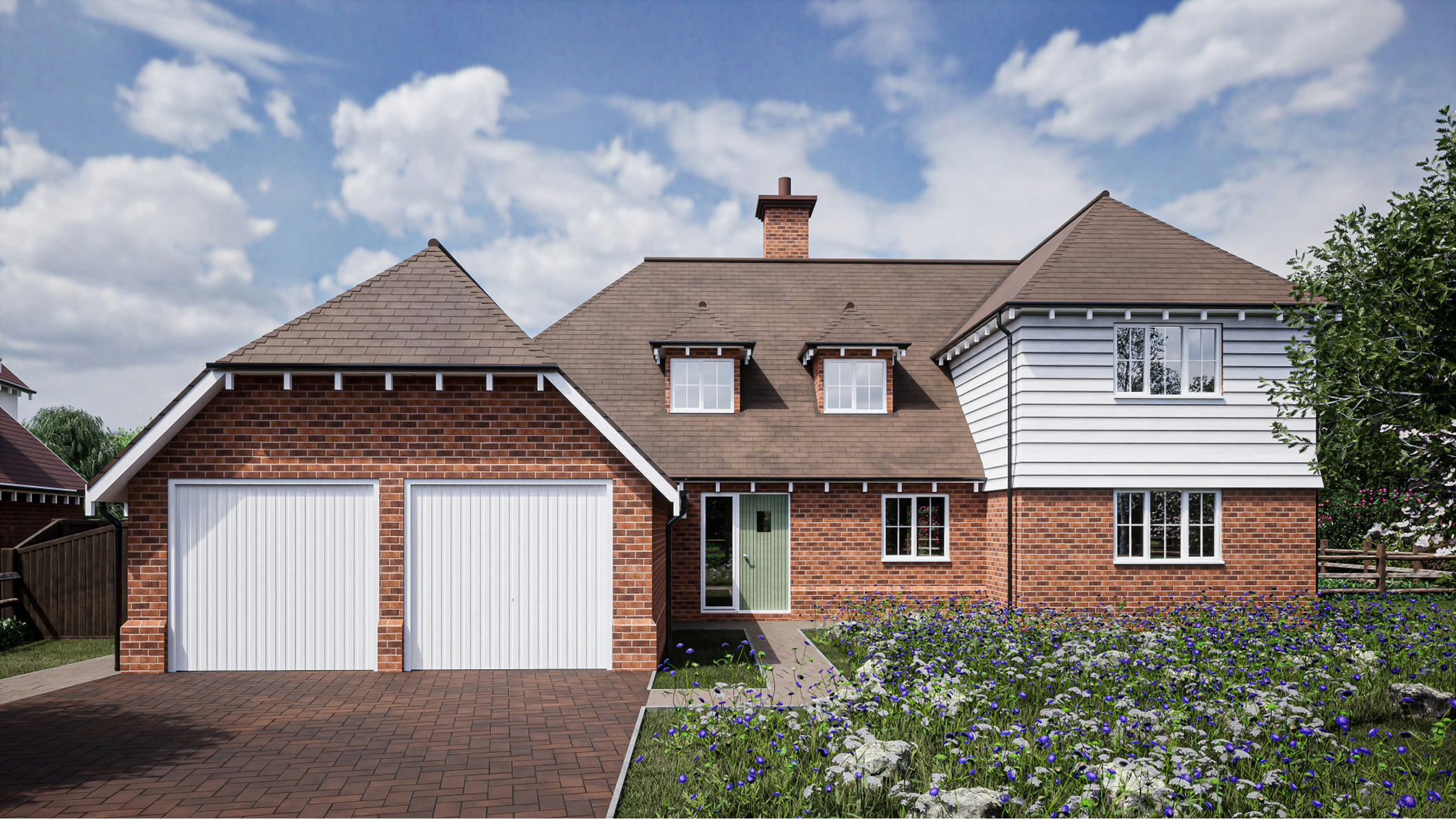
2026 is officially the year of ‘Stay and Upgrade.’ Instead of taking on the large costs associated with moving, think Stamp Duty, estate agent fees, legal costs, and the stress of a property chain, homeowners are choosing to adapt the bricks and mortar they already own.
Data shows that home improvements are now one of the primary reasons homeowners take out additional borrowing in the UK. According to the Finance & Leasing Association (FLA) in March 2026, the second charge mortgage market just hit its highest level since 2008. Their data reveals that 35% of all second charge loans are now being used to fund home improvements (either entirely or alongside debt consolidation).
Similarly, the later-life lending sector is seeing the same trend. Data from Mortgage Solutions (January 2026) shows that a quarter of all borrowers are releasing equity specifically to upgrade their homes, while Canada Life reported that a massive 43% of their applicants cited home adaptations as their primary motivation, officially overtaking ‘clearing an existing mortgage’ for the first time.
There has been a surge in funding for:
- Loft conversions & extensions: creating more space for growing families without giving up a low fixed-rate mortgage on the main property.
- Energy efficiency upgrades: installing solar panels, heat pumps, and better insulation to permanently lower monthly utility bills.
- Lifestyle upgrades: investing in high-quality garden landscaping, home offices, and open-plan kitchen renovations.
💡 What this means for your borrowing strategy
If 2026 is the year you plan to upgrade your home, pay for school fees, or streamline your finances, the key takeaway is deliberation.
With approximately 1.8 million fixed-rate mortgages expiring this year, lenders know that homeowners are looking for options. For this reason, the market is highly competitive right now. But because base rates appear to be hovering around 3.75%, the traditional route of simply ‘remortgaging to pull out cash’ isn't necessarily an automatic win anymore.
Homeowners are becoming much more strategic, looking beyond standard remortgages and exploring alternative financing, like secured loans and second charge options, that allow them to access their property’s equity without disturbing their primary mortgage terms.
If you’ve been thinking about your next step, one of the most valuable things you can do this year is to step back, look at your existing equity, and speak to an expert about how to fund your next life milestone in the most efficient way for your circumstances.
📗 Liked what you read? More blogs here.
👉 Explore second charge options such as a Home Equity Line of Credit (HELOC) here.
Your home may be repossessed if you do not keep up repayments on a mortgage or any other debt secured on it.
Think carefully before securing other debts against your home. Remember, if you consolidate your existing borrowing, you may be extending the term and increasing the amount you repay in total.